
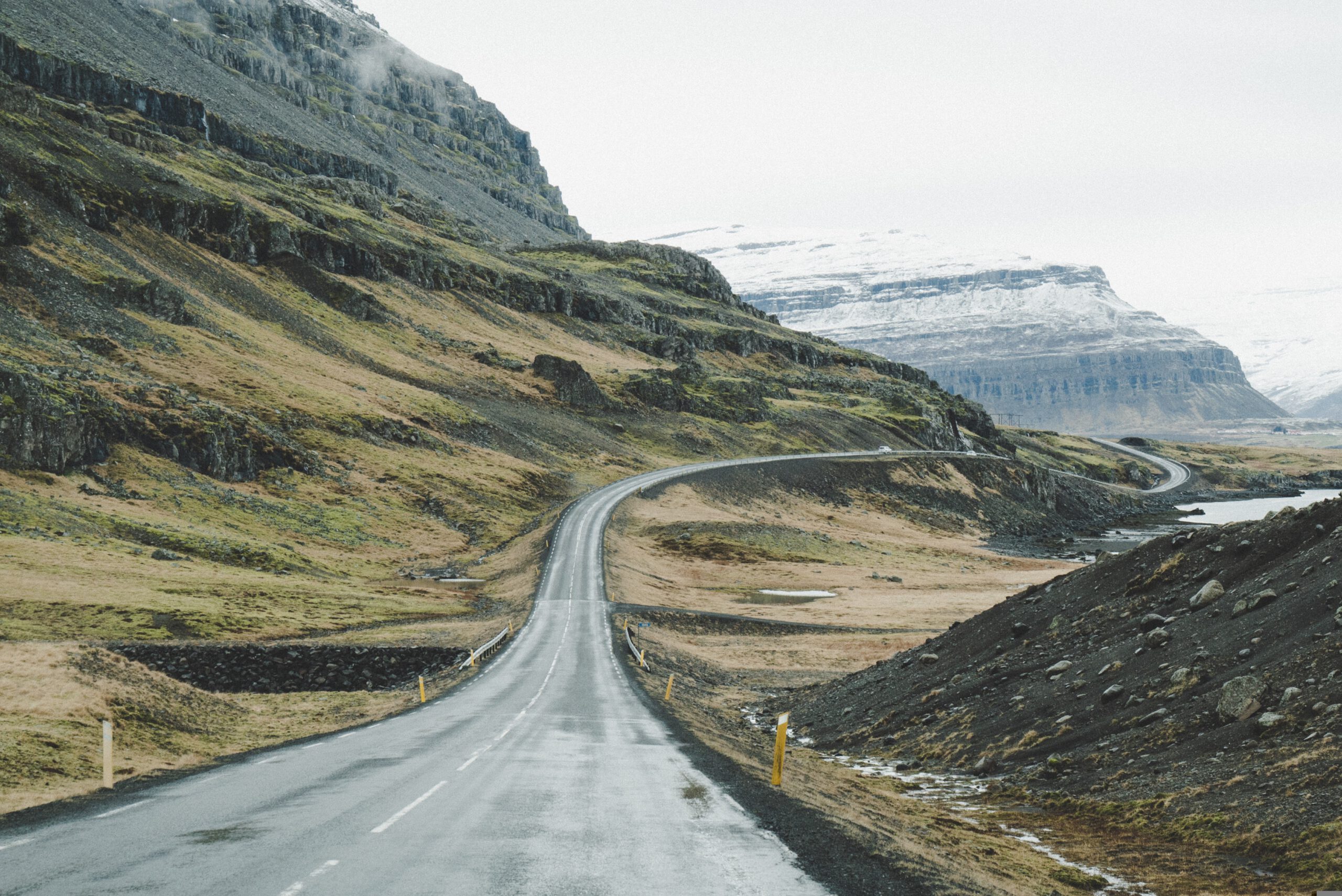
Iceland Ring Road: The Complete 7-Day Itinerary Guide
Driving around the perimeter of this Nordic island is a dream for many travelers. Completing the Iceland Ring Road in just one week is an ambitious goal that requires careful planning and a realistic mindset. This guide offers an honest look at how to navigate the landscape while balancing iconic sights with the limitations of time and unpredictable weather.
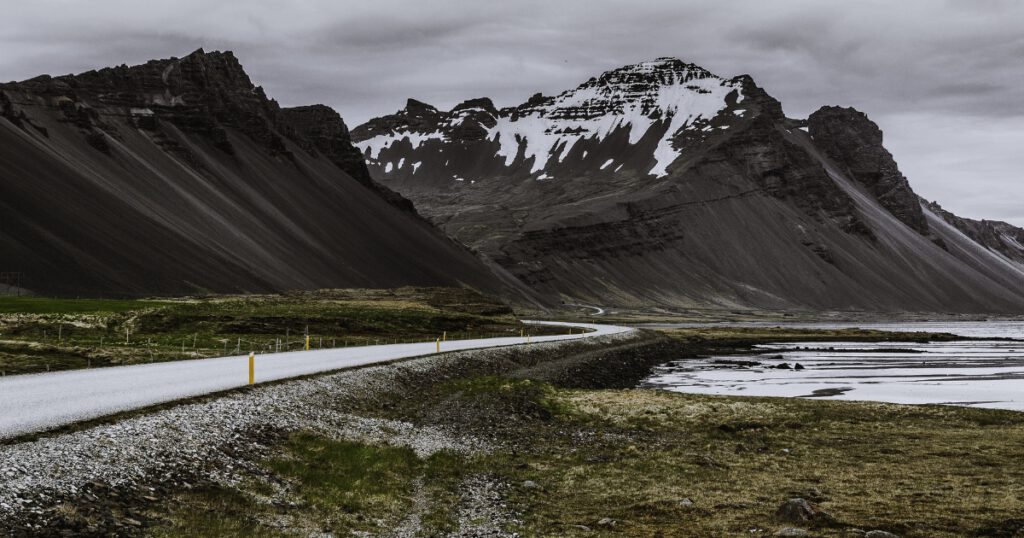
Your journey begins in Reykjavík and takes you through the famous Golden Circle and the dramatic South Coast. You will traverse glacier country, the rugged East Fjords, and the volcanic wonders of the North before finishing in the scenic Snæfellsnes Peninsula. Success depends on knowing which stops to prioritize and when to keep driving.
We focus on practical logistics, including overnight locations and essential driving tips. By following this route, you can experience the best of the country without feeling rushed or overwhelmed. Let’s prepare you for an unforgettable adventure across this stunning northern terrain.
Why the Iceland Ring Road Is Worth Driving in Seven Days
Driving the Iceland Ring Road in just seven days is an ambitious goal that rewards travelers with an incredible variety of landscapes. While it requires a steady pace, the sheer density of natural wonders makes every hour behind the wheel worthwhile. You will witness a transformation of scenery that few other road trips can offer in such a short timeframe.
My honest take on the route’s biggest strengths
The primary strength of this route is its unparalleled geological diversity. Within a single week, you transition from lush green pastures to stark volcanic fields and massive, ancient glaciers. The iceland ring road acts as a gateway to the raw power of nature, offering constant visual stimulation.
Key highlights you can expect to encounter include:
- Towering waterfalls like Skógafoss and Gullfoss.
- The dramatic black sand beaches of the South Coast.
- Geothermal wonders and bubbling mud pots.
- Majestic glacier lagoons filled with floating icebergs.
- Charming coastal fishing villages in the East Fjords.
What a seven-day road trip can realistically include
A seven-day itinerary is enough to complete the full loop, connecting major hubs like Reykjavík, the South Coast, Höfn, the East Fjords, Akureyri, and Borgarnes. By staying focused, you can experience the highlights of each region without feeling like you missed the core essence of the country. This pace is perfect for travelers who prefer to see a little bit of everything rather than lingering in one spot.
Where this itinerary feels rushed
While the loop is achievable, it is important to be realistic about the time spent in the car. You will be covering significant distances, which means your schedule will be tight and your flexibility limited.
Long driving days and limited downtime
Some days will require four to six hours of driving to reach your next destination. This leaves less time for spontaneous detours or long, leisurely hikes at every stop. You must prioritize your must-see locations to ensure you reach your accommodation before dark.
Why weather can change the plan
The weather on the iceland ring road is notoriously unpredictable and can shift in minutes. High winds or heavy fog may force you to slow down significantly, turning a manageable drive into a stressful experience. When conditions turn poor, you might have to skip a planned stop to ensure you reach your hotel safely, making flexibility your most important travel companion.
Iceland’s Ring Road connects many of the country’s most famous destinations, making it a popular choice for travelers exploring Iceland by car. Before finalizing your itinerary, check the official Ring Road travel guide for additional route information and practical travel advice.
Planning Your Iceland Ring Road Adventure
A successful road trip in Iceland starts long before you turn the ignition key. By organizing your logistics early, you ensure that your seven-day journey remains stress-free and enjoyable. Careful preparation allows you to focus on the stunning landscapes rather than worrying about the next fuel stop.
Choosing the right season for a road trip in Iceland
The time of year you visit dictates your entire experience. Summer offers nearly endless daylight, which is perfect for maximizing your sightseeing hours. However, the shoulder seasons of spring and autumn provide a balance of fewer crowds and decent road conditions.
Road and weather conditions in Iceland can change quickly, potentially affecting your daily driving plans. Before setting off each morning, check the latest road conditions in Iceland and adjust your route if necessary. Allow extra time for driving and avoid continuing when conditions are unsafe.
Rental car and insurance decisions
Selecting the right vehicle is a critical step for any traveler. You must consider your itinerary and the time of year when making your choice.
When a two-wheel-drive vehicle is enough
If you plan to stick strictly to the paved Ring Road during the summer months, a standard two-wheel-drive car is usually sufficient. These vehicles are more fuel-efficient and cost-effective for budget-conscious travelers. They handle the main highway perfectly well under clear weather conditions.
When to consider a four-wheel-drive vehicle
A four-wheel-drive vehicle is highly recommended if you visit during the shoulder seasons or winter. It provides better stability on gravel roads and handles unpredictable weather shifts with ease. Having extra traction gives you peace of mind when navigating remote areas or sudden storms.
Booking accommodations, campsites, and fuel stops
Logistics can make or break your trip, so planning your nightly stops is essential. You should map out your fuel stations, as some stretches of the coast have limited services.
Camping ring road Iceland travelers should know about
For those who prefer the outdoors, camping ring road Iceland options are plentiful and well-maintained. Most sites offer basic amenities like showers and cooking areas. Always check local regulations, as wild camping is restricted in many parts of the country.
Why advance reservations matter in summer
Summer is the peak tourist season, and popular guesthouses fill up months in advance. Securing your lodging early prevents last-minute stress and ensures you have a comfortable place to rest. Consider these essential items for your booking checklist:
- Confirm check-in times for remote guesthouses.
- Verify if your campsite requires a pre-booked spot.
- Check the distance between your accommodation and the next day’s attractions.
- Keep a digital copy of all your reservation confirmations.
What to pack for changing Icelandic conditions
The weather in Iceland is famous for changing in a matter of minutes. You should pack layers to stay comfortable regardless of the forecast. Essential gear includes:
- Waterproof and windproof outer layers.
- Sturdy, broken-in hiking boots.
- Warm wool sweaters or fleece mid-layers.
- A high-quality eye mask for the midnight sun.
Planning your route around Iceland? Before setting off on your 7-day Ring Road adventure, explore our guide to the 25 best places to visit in Iceland for inspiration on the waterfalls, glaciers, black sand beaches, and scenic landscapes you can include in your journey.
Day One: Reykjavík to the Golden Circle and Hella
Starting your Iceland driving route requires a mix of excitement and smart planning. After landing and collecting your vehicle, your primary goal is to exit the city limits without unnecessary delays. By hitting the road early, you maximize your daylight hours for the spectacular sights ahead.
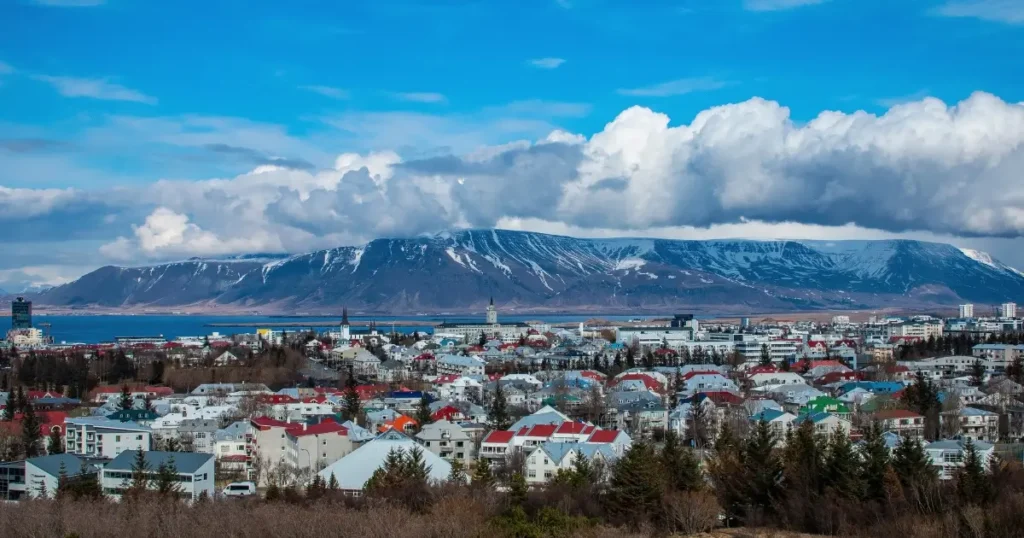
Pick up the rental car and leave Reykjavík efficiently
Most rental agencies are located near the airport or on the outskirts of the capital. Ensure you have your documents ready and double-check your insurance coverage before driving away. Once you are on the road, follow the signs toward the Golden Circle to begin your adventure.
Þingvellir National Park and the meeting of tectonic plates
Your first major stop is Þingvellir, a site of immense geological and historical importance. Here, you can walk between the North American and Eurasian tectonic plates. This unique landscape offers a perfect introduction to the raw power of nature found along your chosen iceland driving route.
Geysir geothermal area and Strokkur
Continue your drive to the Haukadalur valley to witness the famous Geysir geothermal area. While the Great Geysir is mostly dormant, its neighbor, Strokkur, erupts reliably every few minutes. Watching the boiling water shoot high into the air is a highlight for every traveler.
Gullfoss waterfall and the first major Icelandic landscape views
Just a short drive away, you will find the mighty Gullfoss waterfall. The water thunders down into a deep canyon, creating a mist that often produces rainbows on sunny days. It is the perfect spot to stretch your legs and take in the vast, rugged scenery.
Overnight in Hella or Selfoss
As the day winds down, head toward the towns of Selfoss or Hella for your first night. These locations provide excellent amenities and a comfortable base for your upcoming travels. Consider these factors when choosing your stay:
- Proximity to local grocery stores for supplies.
- Access to gas stations for refueling.
- Variety of dining options for a hearty meal.
- Quiet atmosphere for a restful night.
Why stopping short of Vík makes the first day easier
Many travelers feel tempted to push all the way to Vík on their first day. However, stopping in Hella or Selfoss allows you to enjoy the Golden Circle without feeling rushed. This pace ensures you remain fresh and alert for the long, beautiful stretches of the iceland driving route that await you tomorrow.
Day Two: Hella to Vík Along Iceland’s South Coast
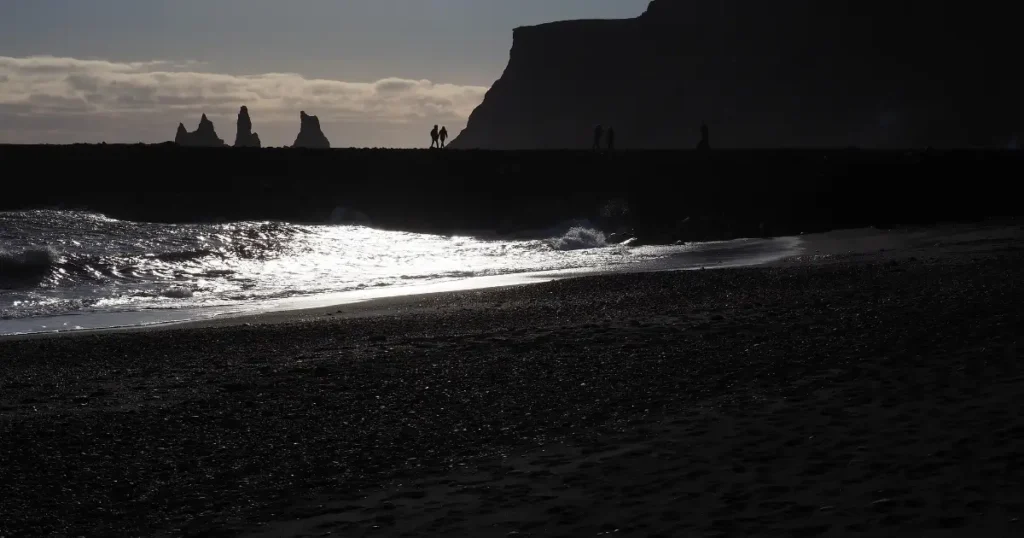
Leaving Hella behind, you will soon discover why the South Coast is home to some of the best stops Iceland Ring Road has to offer. This stretch of the journey is defined by towering waterfalls, expansive black sand beaches, and dramatic cliffside views. It is a day that perfectly captures the raw, untamed beauty of the Icelandic landscape.
Seljalandsfoss and the walk behind the waterfall
Your first major highlight is Seljalandsfoss, a stunning waterfall that drops over an ancient sea cliff. The unique feature here is the path that allows you to walk directly behind the cascading water. Be prepared to get wet from the mist, so wearing waterproof gear is essential for this experience.
Skógafoss and the nearby Skógar Museum
Continuing east, you will encounter the mighty Skógafoss. This massive waterfall is one of the best stops Iceland Ring Road travelers can visit due to its sheer power and accessibility. You can climb the staircase to the top for a breathtaking view of the coastline, or visit the nearby Skógar Museum to learn about traditional Icelandic turf houses.
Optional detour to Kvernufoss
If you have extra time, take a short hike to Kvernufoss. This hidden gem is tucked away in a nearby gorge and offers a much quieter atmosphere than the more famous sites. It is a perfect spot for those who enjoy a peaceful walk away from the main crowds.
Reynisfjara Black Sand Beach safety and scenery
Reynisfjara is famous for its dark volcanic sand and towering basalt columns. The contrast between the white crashing waves and the black beach creates a truly surreal visual experience. However, the beauty of this location comes with significant natural hazards that every visitor must respect.
How to manage wind, waves, and sneaker waves at the beach
The ocean at Reynisfjara is notoriously unpredictable, with powerful “sneaker waves” that can surge far up the beach without warning. Always keep a safe distance from the water line and never turn your back on the ocean. Pay close attention to local warning signs and wind alerts, as gusts here can be incredibly strong.
Dyrhólaey’s cliffs, sea arches, and seasonal birdlife
Just a short drive away, the Dyrhólaey peninsula offers panoramic views of the coast and a massive natural stone arch. During the summer months, this area is a prime spot for spotting puffins nesting in the cliffside burrows. The elevated vantage point provides a fantastic perspective of the black coastline stretching toward the horizon.
Overnight in Vík
Your day concludes in the charming village of Vík, which sits nestled beneath the Mýrdalsjökull glacier. It is the perfect base to rest after a long day of exploring the coast. Enjoy a local meal and prepare for the next leg of your adventure through the glacier country.
Day Three: Vík to Höfn Through Glacier Country
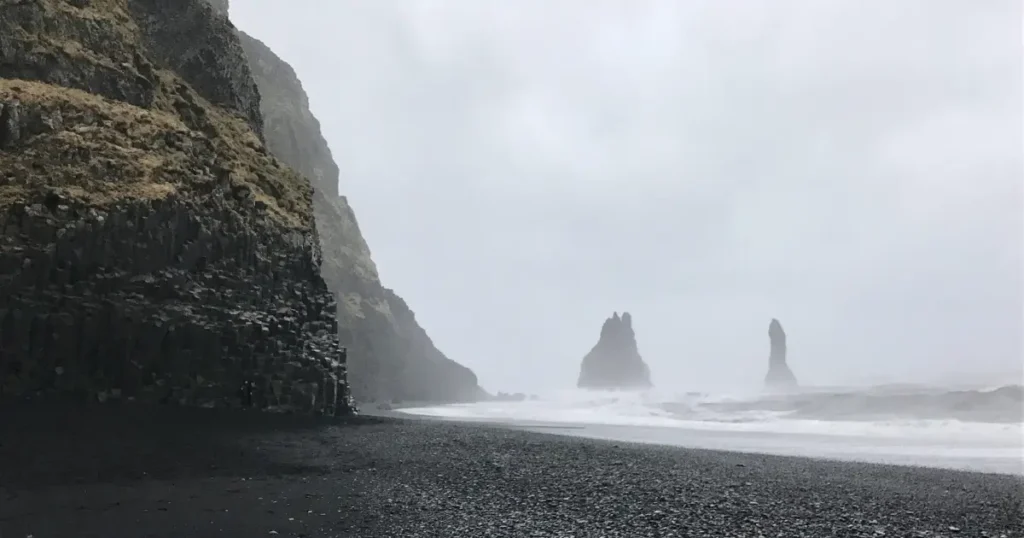
Day three marks the transition into the heart of Iceland’s dramatic glacier country. This stretch of the Ring Road offers an unforgettable icelandic landscape tour that highlights the raw power of nature. You will encounter deep canyons, massive ice caps, and shimmering shorelines throughout the day.
Fjaðrárgljúfur canyon and responsible visiting
Fjaðrárgljúfur is a stunning, serpentine canyon that draws many visitors. Please stay strictly on the marked paths to protect the fragile moss and vegetation. This area is highly sensitive to foot traffic, so your cooperation ensures it remains beautiful for future travelers.
Skaftafell in Vatnajökull National Park
Vatnajökull National Park serves as a massive playground for outdoor enthusiasts. The visitor center provides excellent maps and safety information for your hike. You will find various trails that showcase the unique geology of the region.
Choosing between Svartifoss and a shorter glacier-area walk
If you have extra time, the hike to Svartifoss is a highlight of any icelandic landscape tour. This waterfall is famous for its dark basalt columns that frame the falling water. If you are short on time, a shorter walk toward the glacier tongue offers equally impressive views with less physical strain.
Jökulsárlón Glacier Lagoon
Jökulsárlón is perhaps the most famous stop on this route. You can watch massive icebergs break off the glacier and float slowly toward the ocean. It is a peaceful yet powerful experience that defines the Icelandic wilderness.
Diamond Beach and the ice along the shoreline
Just across the road, Diamond Beach features chunks of ice washed up on the black sand. These ice formations sparkle like jewels against the dark volcanic backdrop. It is a perfect spot for photography during your icelandic landscape tour.
Overnight in Höfn
Höfn is a charming fishing town known for its incredible local seafood. It serves as the perfect base to rest after a long day of exploring glaciers. You will find cozy guesthouses and restaurants that offer a warm welcome.
Why this is one of the best stops on the Iceland Ring Road
This town provides a unique vantage point for viewing the surrounding mountain ranges. It feels remote and authentic, offering a true taste of coastal life. Staying here allows you to wake up refreshed for the next leg of your journey.
Day Four: Höfn to Egilsstaðir Across the East Fjords
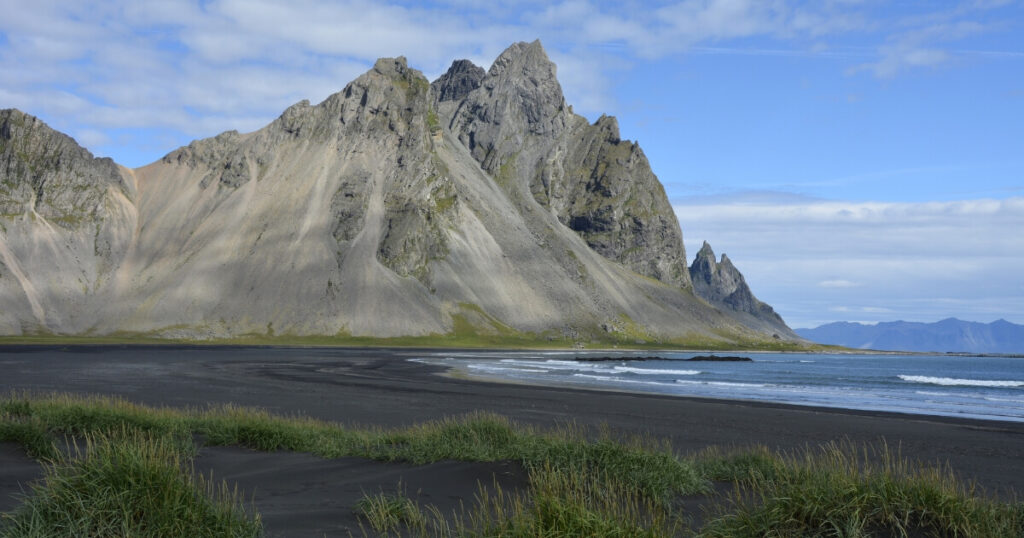
The East Fjords offer a slower pace and some of the most stunning coastal views on your entire ring road itinerary. As you leave the glacier country behind, the landscape transforms into a series of deep, narrow inlets and towering mountains. This stretch of the drive is less about famous landmarks and more about the raw, quiet beauty of the Icelandic coastline.
Driving the scenic coastal roads through the East Fjords
The roads here wind tightly around the edges of the fjords, offering constant changes in perspective. You will find yourself driving through tunnels carved into mountains and along cliffs that drop straight into the sea. It is a driving experience that demands your full attention but rewards you with unmatched serenity.
Djúpivogur and the quieter side of Iceland
Djúpivogur is a charming village that serves as a perfect introduction to the eastern region. It is known for its historic harbor buildings and a peaceful atmosphere that feels worlds away from the busier tourist hubs. Take a moment to walk along the waterfront and enjoy the stillness of the harbor.
Fáskrúðsfjörður, Reyðarfjörður, and fishing-village scenery
Continuing north, you will pass through several historic fishing villages nestled deep within the fjords. Fáskrúðsfjörður and Reyðarfjörður are particularly notable for their dramatic mountain backdrops and colorful houses. These towns provide a glimpse into the traditional way of life that has sustained coastal communities for centuries.
Optional detour to Seyðisfjörður
If your schedule allows, the detour to Seyðisfjörður is highly recommended. The road leading into this town climbs over a mountain pass before descending into a valley filled with waterfalls and lush greenery. The town itself is famous for its artistic community, vibrant blue church, and rainbow-painted street.
Overnight in Egilsstaðir
Your day concludes in Egilsstaðir, the largest town in eastern Iceland. It serves as a central hub for the region and offers a variety of services for travelers. You will find plenty of options for a comfortable night of rest before continuing your journey.
Fuel, food, and weather considerations in eastern Iceland
Navigating the East Fjords requires a bit of extra planning compared to the southern coast. Keep these practical tips in mind to ensure a smooth trip:
- Fill your gas tank in every major town, as stations can be sparse between fjords.
- Check local weather reports frequently, as mountain passes can experience sudden fog or high winds.
- Stock up on groceries in Egilsstaðir or Höfn, as dining options in smaller villages may have limited hours.
- Allow extra time for your drive, as the winding roads often require slower speeds than the main highway.
Why the East Fjords deserve more than a quick drive-through
Many travelers treat this region as a simple transfer, but that is a mistake. The East Fjords are a vital part of a complete ring road itinerary, offering a unique look at the country’s rugged geography. By slowing down, you gain a deeper appreciation for the hidden waterfalls, local wildlife, and the resilient spirit of the coastal people.
Day Five: Egilsstaðir to Akureyri Through North Iceland
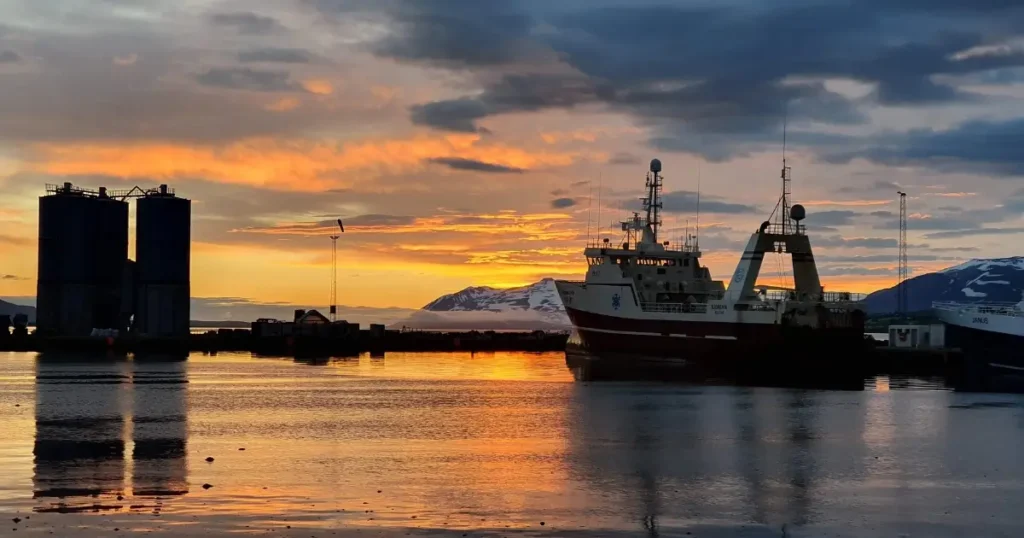
North Iceland offers a stark contrast to the coast, featuring some of the most iconic must-see attractions Iceland has to offer. As you leave the quiet fjords behind, the landscape shifts into a rugged, volcanic playground that feels like another planet. This stretch of the Ring Road is packed with geothermal energy and geological wonders.
Lake Mývatn’s volcanic landscapes
Lake Mývatn is the crown jewel of the north, surrounded by craters, lava fields, and bubbling mud pools. The area is a haven for birdwatchers and geology enthusiasts alike. You can spend hours exploring the unique formations created by centuries of volcanic activity.
Dettifoss and the route-dependent waterfall decision
Dettifoss is often called Europe’s most powerful waterfall, and its sheer force is truly humbling. Accessing this site depends heavily on the road conditions and the specific route you choose from Egilsstaðir. Always check local updates before committing to the detour, as gravel roads can be unpredictable.
Námafjall and the Hverir geothermal area
Just a short drive from the lake, you will find the Hverir geothermal field at the base of Námafjall mountain. The ground here is painted in vibrant shades of orange and yellow, steaming with sulfurous vents. It is a sensory experience that highlights the raw power beneath the Earth’s crust.
Grjótagjá and the region’s volcanic history
Grjótagjá is a small lava cave that hides a beautiful, naturally heated thermal spring. While swimming is no longer permitted due to fluctuating temperatures, the cave remains a fascinating historical site. It provides a perfect glimpse into the subterranean forces that shaped this region.
Goðafoss waterfall on the way to Akureyri
As you continue west toward Akureyri, make sure to stop at the majestic Goðafoss. Known as the “Waterfall of the Gods,” it features a wide, horseshoe-shaped drop that is incredibly photogenic. It serves as a peaceful final stop before you reach the urban comforts of the north.
Overnight in Akureyri
Akureyri is a charming city nestled at the base of a long fjord. It offers excellent dining options, cozy cafes, and a vibrant cultural scene to help you unwind. You will find it the perfect place to rest after a long day of exploring the northern wilderness.
How to choose between more Mývatn time and the Dettifoss detour
Deciding how to spend your limited time requires balancing your interests against the weather. If you prefer deep exploration of volcanic craters and relaxing walks, prioritize the Mývatn area. However, if you want to witness the raw power of one of the most famous must-see attractions Iceland has, make the trek to Dettifoss early in the day.
Day Six: Akureyri to Borgarnes With a Taste of the North
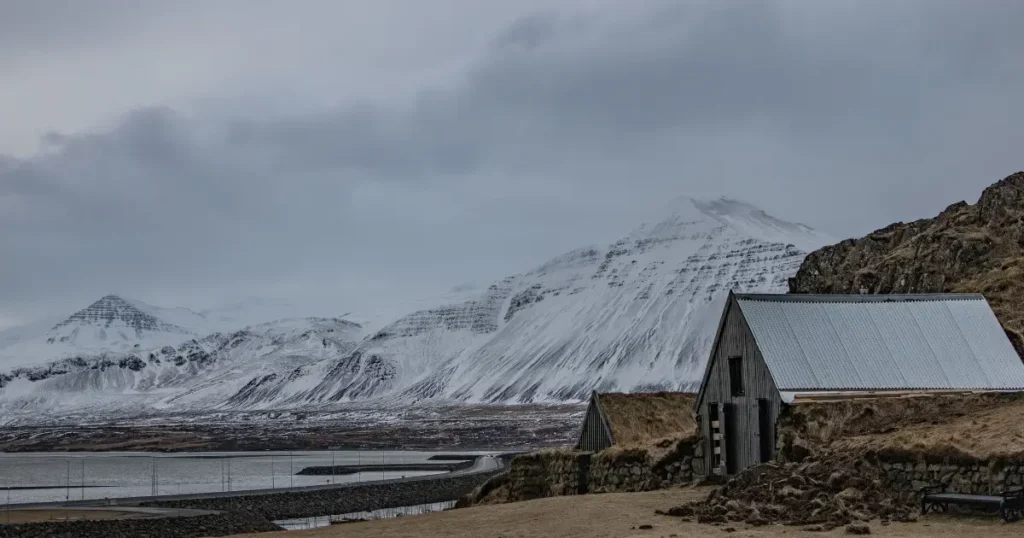
Balancing your time on the sixth day requires a careful planning iceland road trip strategy to ensure you reach Borgarnes without exhaustion. This leg of the journey covers significant ground, moving from the cultural hub of the north into the dramatic landscapes of the west.
Start with Akureyri’s botanical gardens and waterfront
Before hitting the road, take a slow morning to explore Akureyri. The local botanical gardens offer a surprisingly lush display of Arctic flora that thrives in the sheltered fjord climate.
After your walk, head down to the waterfront. The harbor area provides a perfect view of the surrounding mountains and is a great spot for a quick coffee before your long drive.
Optional whale-watching excursion from Húsavík
Húsavík is widely considered the whale-watching capital of the country. If you have extra time, a boat tour here offers a high chance of spotting humpback whales in their natural habitat.
Why skipping Húsavík may be the better choice on a strict schedule
While the experience is incredible, it consumes several hours of your day. If you are on a tight seven-day itinerary, skipping this detour is often the smarter move to avoid an exhausting, late-night arrival in Borgarnes.
Skagafjörður’s horses and open rural landscapes
As you drive west, the landscape shifts into the wide, rolling valleys of Skagafjörður. This region is famous for its deep connection to the Icelandic horse.
- Keep an eye out for roadside pastures where these sturdy animals graze.
- The open plains provide a stark, beautiful contrast to the jagged fjords you left behind.
- Pull over safely at designated viewpoints to capture the vastness of the rural scenery.
Kolugljúfur canyon as a flexible roadside stop
Kolugljúfur canyon is a hidden gem that sits conveniently near the main road. It features a series of powerful waterfalls that carve through the rocky landscape.
Because it is located just a short distance from the Ring Road, it serves as an ideal, low-stress stop. You can stretch your legs and enjoy the view without committing to a long hike.
Practical driving tips for the longest transition day
Since this is your longest day of driving, effective planning iceland road trip habits are essential. Start early to account for potential road construction or slow-moving traffic in the mountain passes.
Stay hydrated and keep snacks in the car to minimize unnecessary stops. If you feel fatigue setting in, rotate drivers or take short, frequent breaks to maintain focus on the winding roads.
Overnight in Borgarnes
Borgarnes is a charming coastal town that serves as the perfect gateway to the western peninsula. It offers a variety of dining options and comfortable lodging to help you recharge for your final day of exploration.
Day Seven: Borgarnes, Snæfellsnes, and Reykjavík
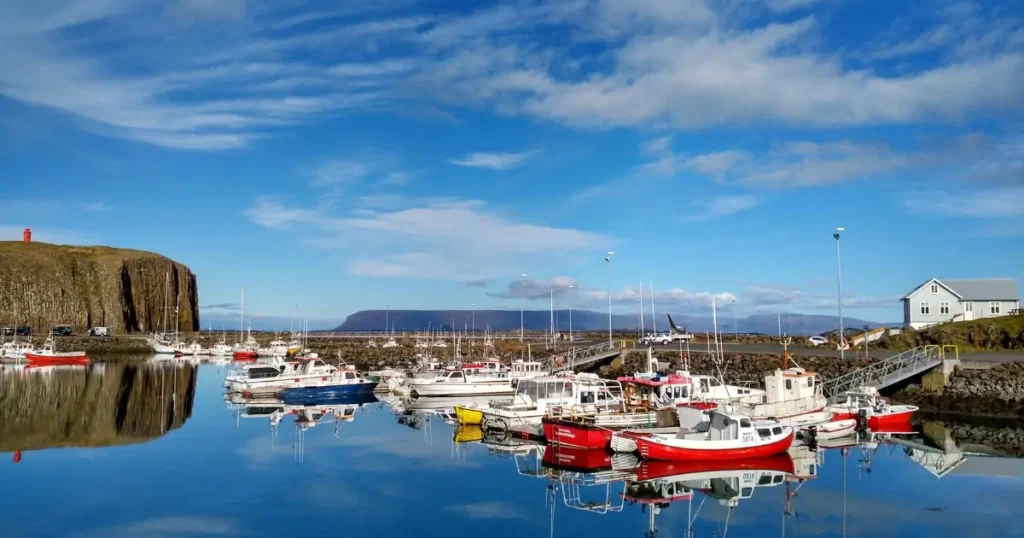
Deciding how to spend your last day in Iceland requires balancing your desire for adventure with your flight schedule. While the Ring Road technically concludes, the Snæfellsnes Peninsula offers a spectacular final chapter for those with extra time. Following smart driving tips Iceland travelers should always prioritize their departure time to ensure a stress-free end to the trip.
Decide whether Snæfellsnes fits your final day
The peninsula is often called “Iceland in Miniature” because it packs so many diverse landscapes into a small area. If your flight is late in the evening, you can easily spend the morning exploring these iconic sites. However, if you have an early morning flight, it is much wiser to stay closer to the capital.
Kirkjufell and Kirkjufellsfoss
Kirkjufell is arguably the most photographed mountain in the country, famous for its distinct conical shape. The nearby Kirkjufellsfoss waterfall provides the perfect foreground for your final photos. This area is easily accessible from the main road, making it a great stop for a quick visit.
Arnarstapi’s coastal cliffs and walking path
Arnarstapi is a charming village known for its dramatic basalt columns and sea arches. A well-maintained walking path connects the village to Hellnar, offering stunning views of the crashing Atlantic waves. It is a peaceful spot to stretch your legs before the final drive back to the city.
Djúpalónssandur’s volcanic shoreline
This black pebble beach is steeped in history and folklore. You can see the remains of a shipwreck scattered across the sand, serving as a reminder of the ocean’s power. The unique rock formations here create a moody, unforgettable atmosphere for your last Icelandic adventure.
Return to Reykjavík and allow time for the airport
The drive from the peninsula back to the capital takes roughly two to three hours depending on traffic. Always factor in extra time for refueling your rental car and returning it to the agency. Reliable driving tips Iceland visitors often overlook include checking for construction or road delays near the city center.
When to skip the peninsula and drive directly to Reykjavík
If the weather forecast looks poor or your flight departs before noon, skip the detour entirely. Driving directly from Borgarnes to the airport is the safest way to avoid unnecessary stress. You can spend your final hours enjoying the local cafes and museums in Reykjavík instead.
Best final-night options for an early departure
Staying in Keflavík or near the airport is the best strategy for those with early morning flights. Many hotels in this area offer shuttle services, which simplifies your departure process significantly. Choosing a convenient location ensures you get a good night’s sleep before your journey home.
Driving Tips That Make the Iceland Ring Road Safer
Driving the Iceland Ring Road requires more than just a map and a sense of adventure. The country features dramatic terrain that demands your full attention behind the wheel. By following these essential driving tips iceland, you can ensure a smooth and secure journey across the island.
Check road and weather conditions before every driving day
Always start your morning by checking official resources like road.is and vedur.is. These websites provide real-time updates on closures and wind speeds. Never rely solely on your GPS, as it may not reflect sudden changes in local weather patterns.
Understand Icelandic speed limits and one-lane bridges
Speed limits are strictly enforced, with a standard limit of 90 km/h on paved highways. You will frequently encounter one-lane bridges, especially in the eastern and southern regions. Always yield to the vehicle that arrives at the bridge first or is already crossing.
Respect road closures, river crossings, and changing visibility
Never ignore signs indicating road closures, as they are placed for your protection. If you are driving a standard rental car, avoid F-roads that require river crossings. Fog and sudden rain can reduce visibility to near zero, so keep your headlights on at all times.
Use fuel stations strategically outside larger towns
Fuel stations can be sparse in remote areas of the iceland ring road. Keep your tank at least half full to avoid getting stranded in the wilderness. Many stations are automated, so ensure you have a credit card with a PIN for easy payment.
Know when to slow down or abandon a planned stop
Flexibility is the most important tool in your travel kit. If the wind is too strong or the road looks dangerous, it is perfectly acceptable to skip a destination. Your safety is far more valuable than checking off every item on your itinerary.
Why summer daylight does not eliminate driving risks
Long summer days provide nearly 24 hours of light, but this can lead to driver fatigue. You might feel tempted to drive for too many hours without a break. Additionally, high winds and loose gravel on shoulders remain significant hazards regardless of the sun’s position.
How winter conditions change the entire itinerary
Winter travel requires a completely different mindset and vehicle preparation. Limited daylight hours and icy roads mean you should plan for much shorter driving distances each day. Always be prepared for sudden storms that can shut down major routes for hours or even days.
Follow Leave No Trace principles at popular attractions
Protecting the fragile Icelandic environment is a responsibility for every visitor. Stay on marked paths to prevent erosion and never drive off-road, as it is illegal and causes permanent damage. Take all your trash with you and leave the landscape exactly as you found it.
Conclusion
Completing the iceland ring road in seven days offers a fast-paced look at some of the most dramatic landscapes on Earth. You will witness everything from the Golden Circle and South Coast waterfalls to the icy wonders of glacier lagoons and the quiet charm of East Fjord villages.
This itinerary serves as a flexible framework for your adventure. While the schedule covers significant ground, remember that the weather dictates your pace. Prioritize safety over checking every single stop off your list. If conditions change, adjust your plans to ensure a secure and enjoyable experience.
The iceland ring road remains a bucket-list achievement for many travelers. Embrace the spontaneity of the journey and stay mindful of the environment. Your memories of Lake Mývatn and the rugged beauty of Snæfellsnes will last a lifetime. Safe travels as you explore this incredible island.
FAQ
Is a seven-day ring road itinerary actually doable without feeling too rushed?
Completing the Iceland ring road in seven days is definitely achievable, but it is an ambitious pace. This road trip Iceland route requires about 4 to 6 hours of driving daily, which doesn’t account for the time spent at various must-see attractions Iceland offers. While you will see the highlights—like the Golden Circle and the South Coast—you’ll have limited downtime. If you prefer a slow-travel approach, you might find yourself skipping smaller detours to stay on schedule.
What are the best stops Iceland ring road travelers shouldn’t miss on this route?
Your Icelandic landscape tour will be packed with icons. Key highlights include the “Big Three” of the Golden Circle (Þingvellir, Geysir, and Gullfoss), the “behind-the-waterfall” experience at Seljalandsfoss, and the glacial beauty of Jökulsárlón Glacier Lagoon. In the north, the Hverir geothermal area and the powerful Dettifoss are absolute essentials, while Kirkjufell on the Snæfellsnes Peninsula provides that quintessential postcard photo-op.
When planning Iceland road trip logistics, should I rent a 2WD or a 4WD vehicle?
For the main Iceland driving route (Route 1), a standard 2WD vehicle from a reliable agency like Blue Car Rental or Hertz is usually sufficient during the summer months as the road is paved. however, if you are traveling in the shoulder season or want the extra security of better traction on gravel detours, a 4WD Dacia Duster or Toyota Rav4 is highly recommended. Always check the weather via Vedur.is before heading out.
What are your top driving tips Iceland visitors should know before starting?
Safety is paramount. Always check road conditions on the official Vegagerðin website and download the SafeTravel.is app. Be prepared for one-lane bridges, high winds that can catch car doors, and “sneaker waves” at Reynisfjara Black Sand Beach. Also, remember that fuel stations can be sparse in the East Fjords, so fill up your tank whenever you see an N1 or Olís station in larger towns like Egilsstaðir.
How does camping ring road Iceland work for budget-conscious travelers?
Camping is a fantastic way to experience the landscape, but you must stay in designated campsites; wild camping is illegal in Iceland. Many travelers rent fully equipped vans from companies like Happy Campers or Go Campers. While you don’t usually need to book campsites in advance during the shoulder season, popular spots near Vík or Akureyri can fill up quickly in July and August, so arriving early in the afternoon is a smart move.
What should I pack for a seven-day Iceland ring road adventure?
The weather changes rapidly, so the “layering” rule is king. Pack a high-quality waterproof and windproof shell (brands like 66°North or North Face are popular locally), sturdy hiking boots, and thermal base layers. Even in summer, the wind off the glaciers can be biting, so don’t forget a warm hat and gloves. If you plan on visiting the Mývatn Nature Baths or the Blue Lagoon, keep your swimsuit and a quick-dry towel easily accessible in your day pack.